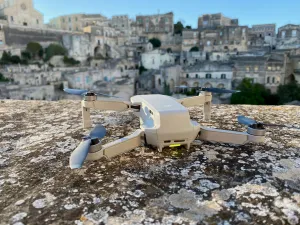
Autonomous Drone-Based Infrastructure Inspection
Target Audience
Industries requiring regular inspection of physical assets, such as energy, utilities, and transportation sectors
Challenge
Manual inspections are time-consuming, costly, and pose safety risks to workers. Traditional methods often miss defects or require frequent human intervention, leading to inefficiencies and potential safety hazards.
Solution Approach
AI-powered drones autonomously perform inspections, capturing high-resolution imagery and analyzing data for defects. An orchestration agent manages drone fleets, schedules missions, and triggers maintenance workflows when anomalies are detected, reducing manual coordination and improving efficiency.
Value Add
Enhances safety by eliminating human exposure to hazardous environments, reduces operational costs, and enables proactive maintenance to minimize unplanned downtime and improve asset reliability.
How to Apply This
The price of drones has significantly dropped in recent years. Further, various providers have emerged for mere hardware, but also for offering services in various niches. In combination with custom AI solutions, you can equip autonomous drones with smart decision making - to monitor construction sites, ensuring physical safety of your objects, running quality inspections and much more.
Do you have question on how to implement AI into autonomous drones? Reach out to me and book a free 30-minute feasibility call.
References
Implemented by Deloitte and other organizations in energy and utility sectors
Image credentials: Moira Nazzari/ Unsplash
More Interesting Use Cases
Supply Chain Optimization
Walmart leverages AI and machine learning across its entire supply chain to predict demand, optimize inventory placement, and improve logistics efficiency across 4,700+ stores and fulfillment centers.

Product Catalog Enrichment for E-Commerce
A retailer automated categorization of products, cutting manual effort and boosting search conversion rates.

Reduce time for stroke detection by 44%
Viz.ai's AI-powered platform automatically detects large vessel occlusion strokes from CT imaging and coordinates care teams, significantly reducing time-to-treatment for stroke patients.